
Madagascar

MADAGASCAR – The Eighth Continent of Africa

Madagascar is unlike anywhere else on earth — a wild island sanctuary drifting in the Indian Ocean, home to wildlife found nowhere else on the planet. Separated from mainland Africa over 160 million years ago, this extraordinary island evolved in isolation, creating one of the most biodiverse ecosystems in the world. Often called the “Eighth Continent,” Madagascar offers towering baobab trees, surreal limestone formations, pristine beaches, and deeply rooted Malagasy culture.

For Maono Safaris Tours & Travel, Madagascar is the ultimate off-the-beaten-path Indian Ocean and wildlife extension, perfectly pairing with Kenya, Tanzania, or Rwanda safari itineraries.

Why Madagascar Is Unique

Madagascar’s long isolation allowed life here to evolve differently from the rest of the world. Over 90% of its wildlife species are found nowhere else on Earth.

The island is home to more than 100 species of lemurs, six of the world’s nine baobab species, and hundreds of colorful chameleons — some among the smallest reptiles on Earth. Seasonal humpback whales migrate along its coastline, while miles of uncrowded beaches offer peaceful Indian Ocean relaxation.

Unlike traditional African safaris focused on game drives, Madagascar offers guided wildlife trekking, rainforest walks, geological exploration, and island experiences combined into one journey.

Discover the Eighth Continent

Step into a world found nowhere else on Earth.
From rainforest treks in Madagascar to surreal baobab landscapes and turquoise island shores, experience a wild, immersive journey designed just for you.

Top Regions & Experiences

Located just a few hours from Antananarivo, Andasibe is Madagascar’s most accessible rainforest park. It is best known as the home of the Indri Indri, the largest and most vocal lemur species.

Visitors enjoy guided rainforest treks, early morning Indri calls echoing through the forest, night walks to spot chameleons and nocturnal lemurs, orchid-rich forest trails, and the Vakona Lemur Island experience.

This region is ideal for first-time visitors, wildlife photographers, and families.
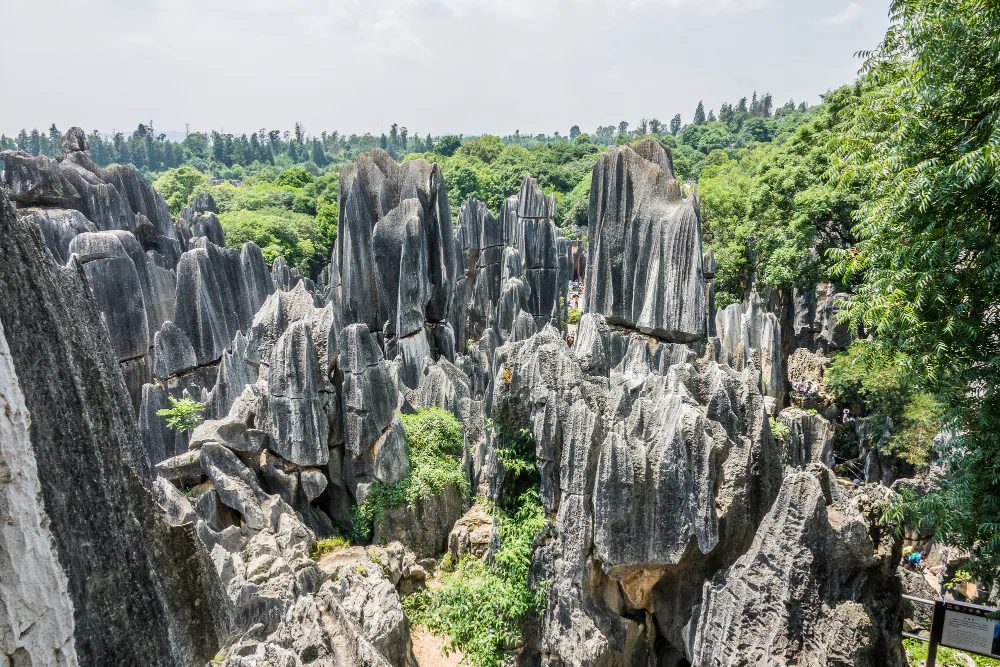


A UNESCO World Heritage Site, Tsingy de Bemaraha is one of Madagascar’s most dramatic landscapes. The word “Tsingy” means “where one cannot walk barefoot,” referring to the razor-sharp limestone pinnacles that form a spectacular stone forest.

Experiences here include suspension bridge crossings, limestone canyon hikes, rare Decken’s sifaka lemur sightings, and cave and gorge exploration.

This destination is perfect for adventure seekers and geology enthusiasts.
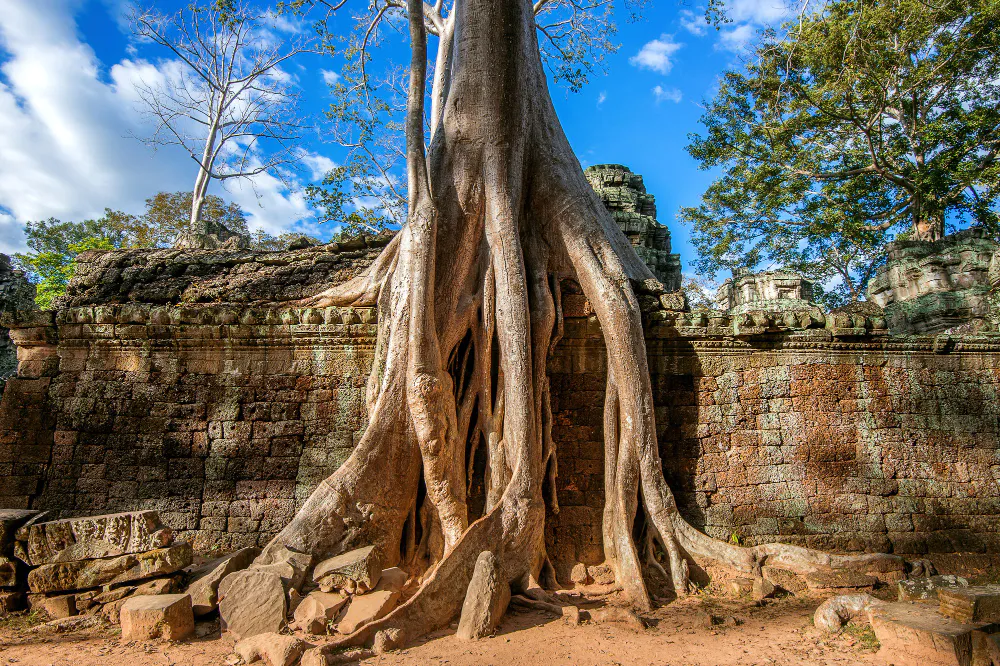


One of Africa’s most iconic scenes, the Avenue of the Baobabs features towering ancient trees lining a dusty red road near Morondava.

Golden hour photography, private sundowner experiences, cultural visits with local communities, and 4×4 exploration through western Madagascar make this a highlight of any itinerary.
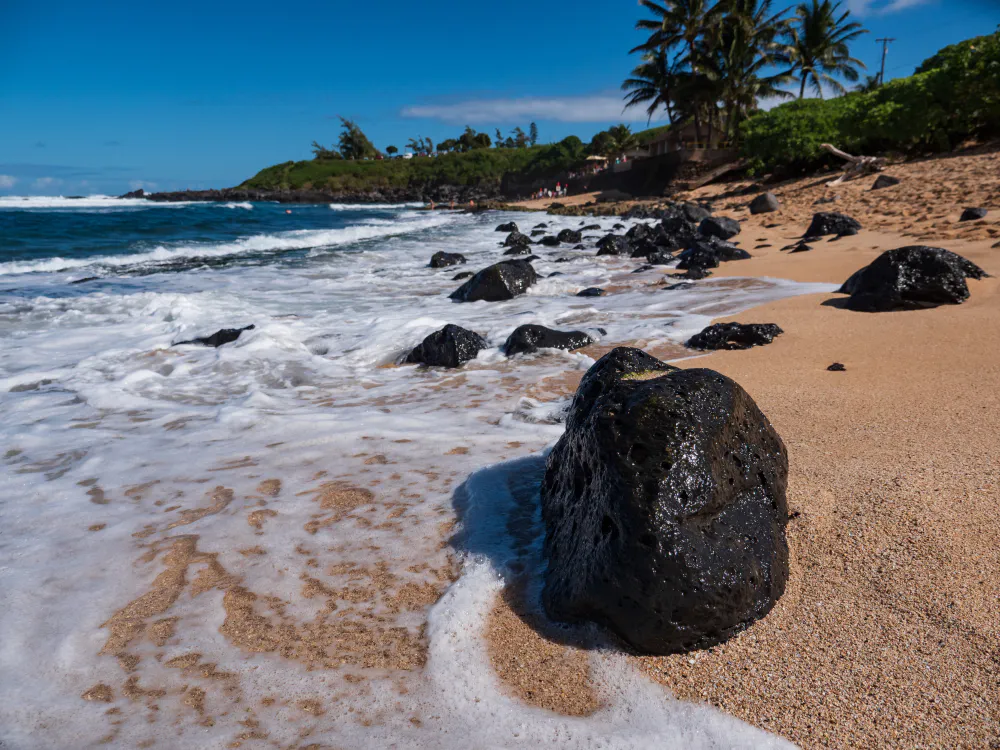


Nosy Be is Madagascar’s premier beach destination, offering turquoise waters, coral reefs, and barefoot luxury.

Visitors can enjoy snorkeling and diving excursions, whale watching between July and September, seasonal whale shark snorkeling, sunset dhow cruises, private island hopping tours, and spa retreats.

This region is ideal for honeymooners, beach extensions, and relaxed family holidays.
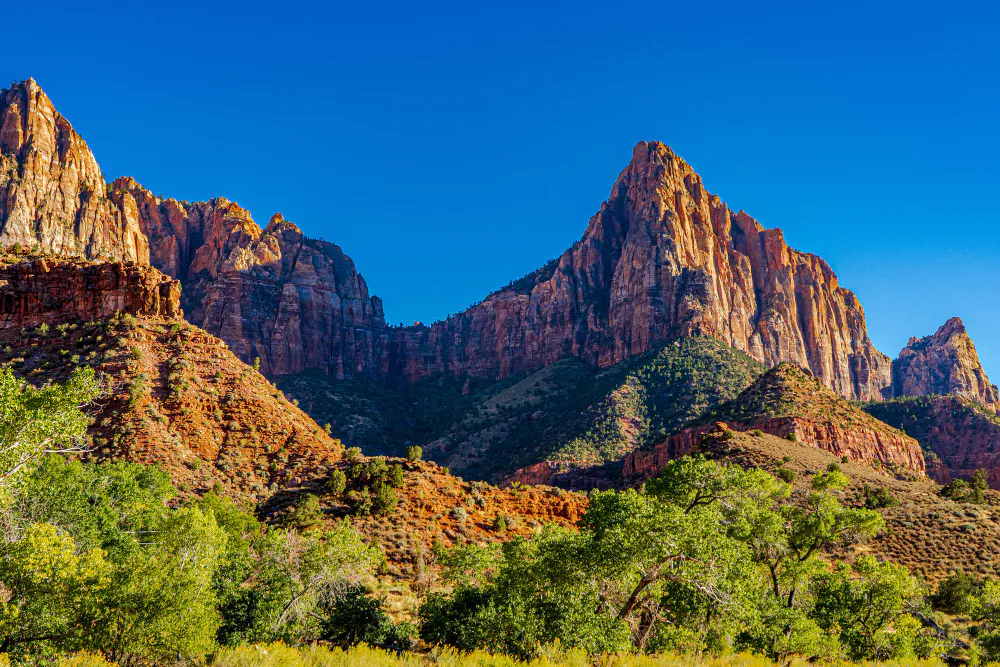
Extend Your African Safari to Madagascar

Turn your safari into a once-in-a-lifetime multi-country adventure.
Pair Kenya, Tanzania, or Rwanda with Madagascar’s rare wildlife, dramatic landscapes, and pristine beaches — seamlessly planned from start to finish.

Additional Hidden Gems

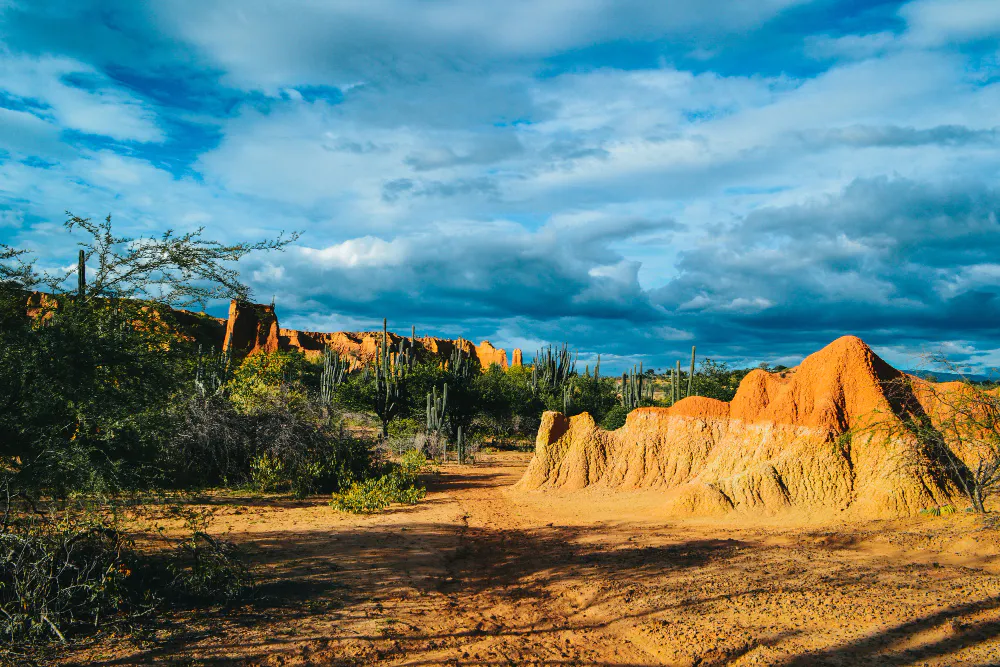
Known for its dramatic canyon landscapes, sandstone formations, and natural swimming pools, Isalo offers scenic hiking and refreshing oasis stops.
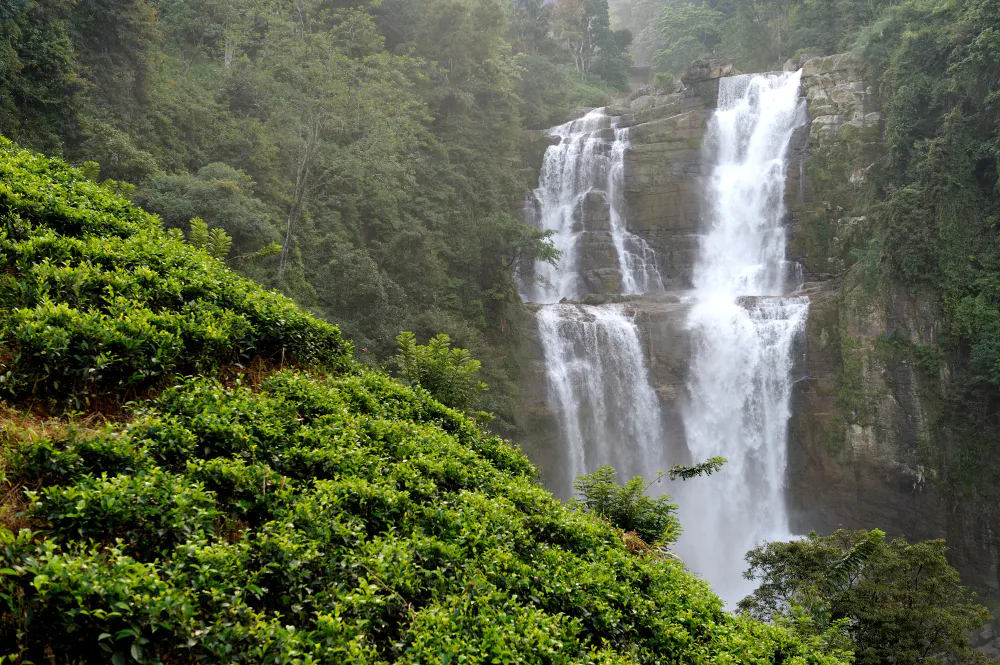
A biodiversity hotspot covered in cloud forest, Ranomafana is rich in rare lemur species and lush rainforest ecosystems.
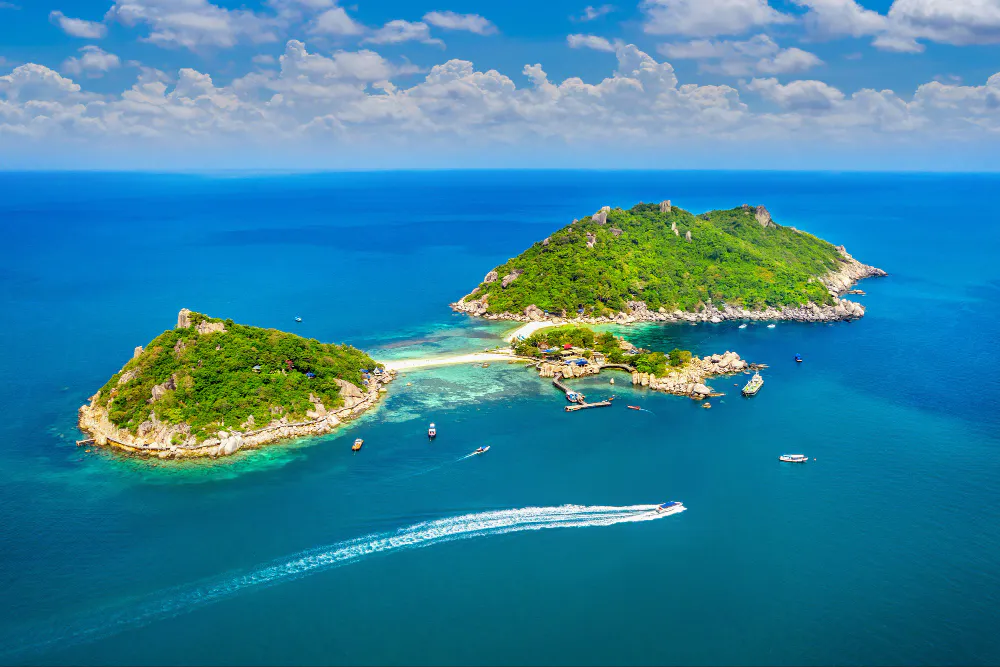
A historic island once frequented by pirates, now famous for whale migration viewing and peaceful coastal charm.
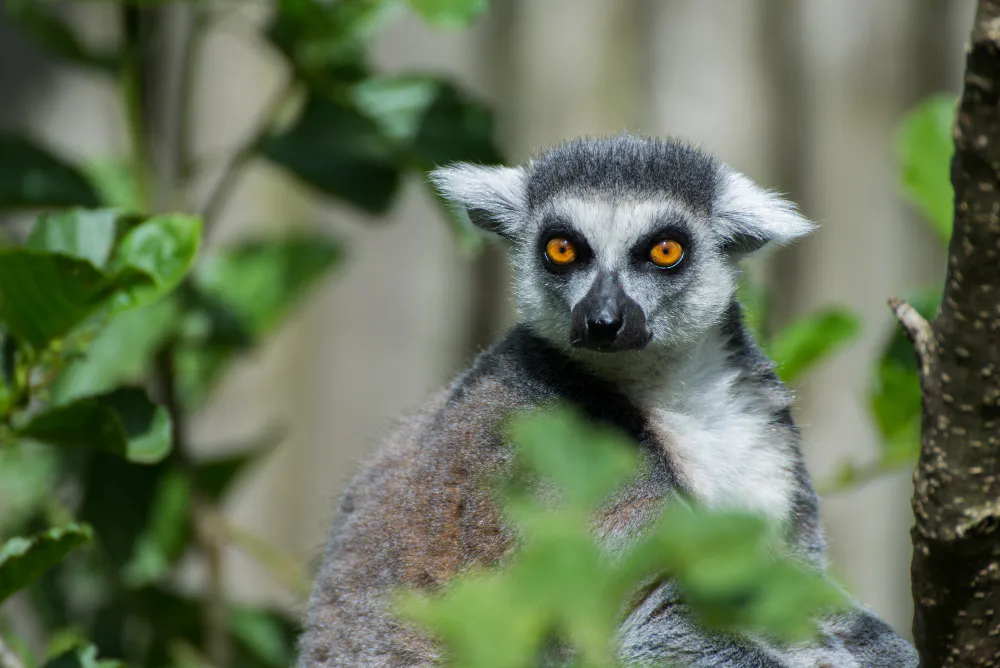

Wildlife Encounters You Can Expect

Madagascar offers intimate nature encounters rather than large herd safaris. Wildlife sightings may include ring-tailed lemurs, Indri lemurs, sifaka lemurs often called “dancing lemurs,” the elusive fossa (Madagascar’s top predator), panther chameleons, leaf-tailed geckos, seasonal humpback whales, and seasonal whale sharks.

Every walk through Madagascar’s forests feels like stepping into a living nature documentary.

Travel Logistics & Planning

The best time to visit Madagascar is from April to November during the dry season, ideal for trekking and wildlife viewing. Whale watching is best between July and September, while September to December offers excellent beach conditions.

Most international itineraries connect via Nairobi, Addis Ababa, Johannesburg, or Paris. Madagascar pairs seamlessly with a Kenya safari, Tanzania migration safari, or Rwanda gorilla trek.

Accommodation Options

Madagascar offers a range of carefully selected accommodations including boutique eco-lodges immersed in rainforest, comfortable mid-range nature camps, high-end beach resorts, and private luxury villas on Nosy Be.

All arrangements are curated for comfort, safety, and authenticity.

Sample 12-Day Madagascar Discovery

This itinerary can be customized for luxury honeymoons, photography expeditions, adventure trekking, family wildlife discovery, or safari and beach combinations.

Why Book Madagascar with Maono Safaris Tours & Travel

We design seamless multi-country African journeys combining Kenya safari experiences, Serengeti migration adventures, Madagascar beach escapes, and Rwanda gorilla trekking.

With Maono Safaris, you receive personalized itinerary planning, carefully selected lodges, reliable domestic flight coordination, professional English-speaking local guides, and 24/7 guest support throughout your journey.

Travel Farther. Feel Deeper.

Madagascar is raw, untamed, and unforgettable — a destination that feels discovered rather than simply visited.